
A multi-unit franchisee is an owner who holds the rights to operate more than one location or territory of the same brand, either by committing to several upfront on a development schedule or by earning the right to add them one at a time. The second path is far more common, and most brands will not approve a second territory until the first one runs well without the owner in it. Multi-unit ownership is a management job, and that shift decides whether territory two helps or hurts.
What is a multi-unit franchisee?
A multi-unit franchisee owns two or more territories of one brand and runs them under a single ownership structure. There are two common routes in. An area development agreement commits you to opening a set number of locations on a defined schedule inside a defined region, usually in exchange for protected rights to that region. Sequential expansion, the more typical route, means you buy one territory, prove you can run it, then apply for the next when you and the franchisor both think you are ready.
This is different from master franchising, where you take on the right to sell and support franchises to other owners in a region rather than operating them yourself. That is a franchisor-side role with different obligations and different capital requirements, and it is worth understanding the distinction before you use the terms interchangeably. We covered it separately in what a master franchise agreement actually involves.
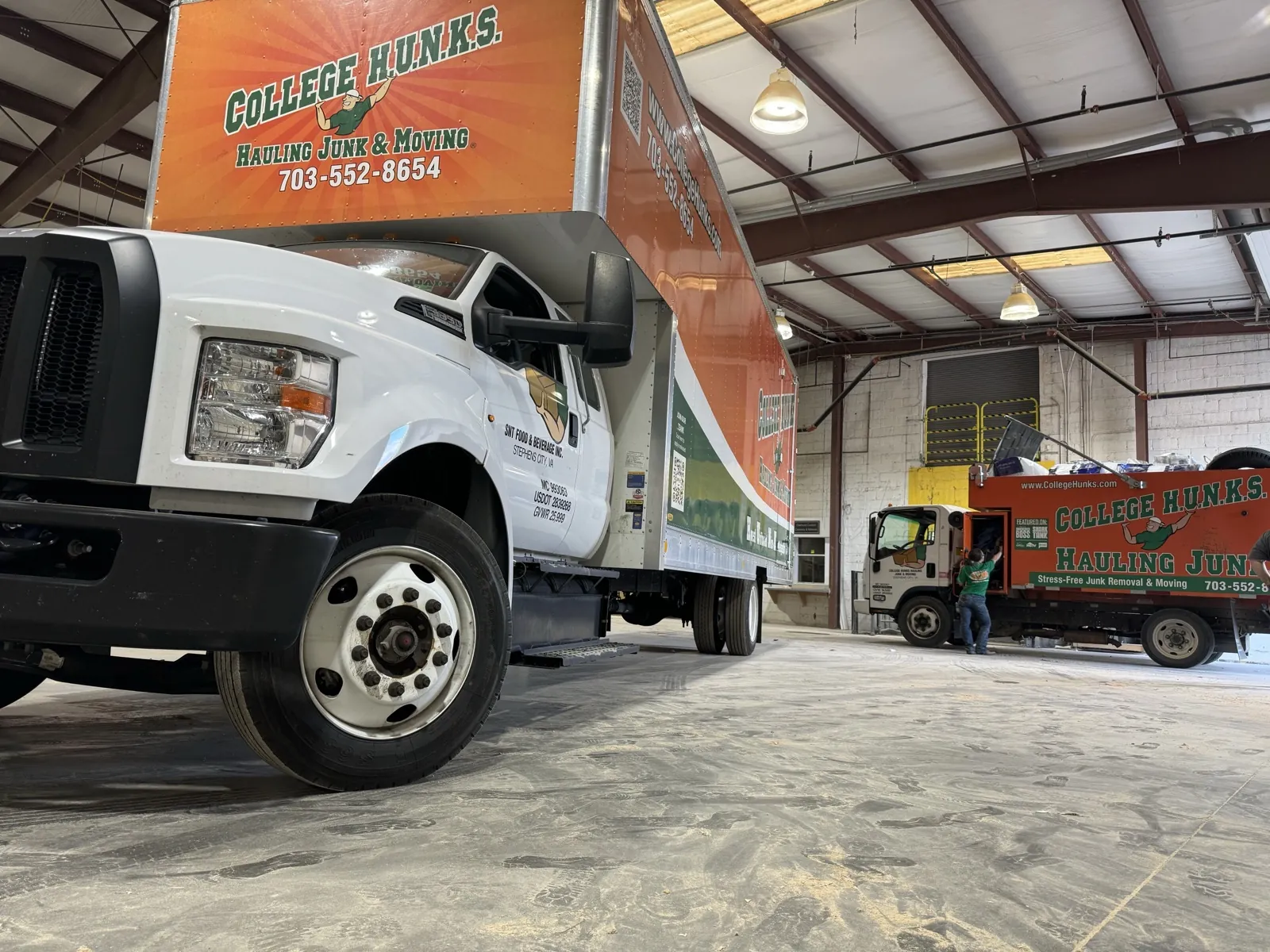
The word “unit” also does different work in different systems. In a restaurant brand a unit is usually a building. In a service brand like College Hunks Hauling Junk®, a unit is a Zone, which our Franchise Disclosure Document defines as 300,000 to 400,000 people drawn from U.S. Census data. Your Designated Territory is every Zone you hold. That matters when you compare opportunities, because one brand advertising multi-unit growth may mean storefronts while another means service areas.
I want to be precise about something candidates routinely assume. Our agreement does not hand you a blanket exclusive territory. Exclusivity is tied to concept: hold both junk removal and moving in a Zone and no one else operates either one there, but hold only one and the other can be placed with a different owner inside your own territory. That single detail should shape how you plan a second Zone, and it sits in Item 12 where most people never look until closing.
Why do some brands appear repeatedly on national growth lists?
Because the businesses on those lists are individually owned, and a franchise system with many independent owners can produce many separate qualifying companies in the same year.
FreightWaves made this point about our brand in August 2026, in a piece breaking down which logistics and transportation companies made Inc.’s 2026 ranking of private companies. Industry analyst Adam Wingfield wrote that the moving and hauling sector was “well represented, led by the widely franchised College Hunks Hauling Junk and Moving, which appeared numerous times across the list through its various franchise locations.” The piece was published on FreightWaves and syndicated to Yahoo Finance.
The detail worth sitting with is the phrase “through its various franchise locations.” Those are not corporate divisions. They are separate businesses, owned by separate people who each signed their own agreement, hired their own crews, and built their own book of business in their own market. A franchisor cannot manufacture that kind of showing. It happens when the model is repeatable enough that a lot of different operators, in a lot of different markets, can each build something real with it.
For someone weighing multi-unit ownership, that is the useful signal. The question is not whether the brand is impressive. It is whether the playbook travels, because the multi-unit thesis rests on what worked in territory one working in territory two with a manager running it instead of you.
What actually changes when you go from one territory to three?
Your job changes first, and almost everything else follows from that. In a single territory you are usually close enough to the work to catch problems yourself. Across three, you are managing people who manage the work, and you only see problems through whatever reporting you built.
| Dimension | One territory | Three territories |
|---|---|---|
| Your role | Operator with a team | Manager of managers |
| Key hire | Crew leads | A general manager who can run a territory without you |
| How you see problems | Directly, most days | Through reporting and standing check-ins |
| Fleet | Per FDD Item 7, one service vehicle per concept per zone | The same requirement, multiplied per zone |
| Hiring | Occasional and reactive | A continuous process you own |
| Systems tolerance | Informal habits still work | Undocumented process becomes the bottleneck |
| Biggest risk | Slow ramp in one market | Expanding before territory one runs without you |
The trap is not a bad second market. It is a capable operator who expands while still personally holding the first territory together, and ends up with two territories that both underperform instead of one that works. That is why our agreement puts a clock on it rather than leaving it to enthusiasm.
Should you commit to multiple territories upfront or add them later?
Commit upfront only if you already have multi-unit management experience and the capital to open on someone else’s schedule. A development agreement locks in your rights to a region, which is genuinely valuable in a market where good territory is being claimed, but it also binds you to opening dates whether or not the first location is performing. Miss the schedule and you can lose the development rights you paid for.
Adding territories sequentially costs you the certainty and gives you the option. You find out whether you like the business, whether your systems hold, and whether you can hire a general manager before you owe anyone a second opening. For most first-time buyers, that trade is the right one.
There is a third route people forget. You can add a territory by buying an operating one from a current owner rather than opening cold, which gets you a trained team and an operating history from day one. The diligence is different and the price usually is too, and we walked through both in how franchise resales get valued and approved.

What does a franchisor look for before approving a second territory?
I can answer this one precisely, because it is written down rather than left to anyone’s judgment. Item 12 sets four conditions before an existing owner can expand: twelve months in operation, liquid capital equal to six months of operating capital for the entire territory, a business plan, and current financials. Approval is not automatic, and a brand that hands out territories to anyone with a checkbook is telling you something about how it will support you later.
Geography carries more weight than people expect. Adjacent territories let you share a general manager, move crews during demand swings, and run recruiting once instead of twice. Territories three states apart give you none of that and two of everything else.
Two businesses, one territory means two demand streams from the same market and the same brand, which changes the math on how much a single geography can carry before you need another one. You can read how that works on the franchise model page. Every owner also gets a dedicated Franchise Business Coach and Marketing Coach, and those relationships matter more at territory two, because that is where you stop seeing everything yourself.
Here is the pattern in our own numbers rather than in a brochure: more than 150 locations against 370+ open and committed territories. That is better than two territories for every location, which is what a system looks like when owners keep buying the Zone next door. Priority markets right now include Phoenix, Las Vegas, and Salt Lake City.
If you are mapping a multi-territory plan, the practical first question is which contiguous territories are actually available. That answer shapes the plan more than anything else does, so check which territories are open before you go further.
If you are thinking past a single territory and want a straight answer about what expansion looks like here, talk to our Franchise Development team. Tell us the markets you are looking at and we will tell you honestly what is open and what a realistic path to a second territory would take. We read every inquiry, no pressure, just answers.
This information is not an offer to sell or solicitation to buy a franchise. A franchise offering can only be made through the delivery of a Franchise Disclosure Document. Certain states regulate the offer and sale of franchises; if you are a resident of one of these states, we will not offer you a franchise unless we have complied with applicable pre-sale registration and disclosure requirements in your state.
College Hunks Hauling Junk®, College Hunks Moving®, and the H.U.N.K.S logo are registered trademarks of CHHJ Franchising, L.L.C. © 2026 CHHJ Franchising, L.L.C. All rights reserved.

Twenty minutes with our team.
The model, the live territory map, and the unit economics for your market. No script, no pressure.
Qualifying veterans and first responders receive a discount on the initial franchise fee.
Could this be your story?
Book a call with the franchise development team. They’ll walk you through the model, the live territory map, and the unit economics for your market.
More from the newsroom.
Hand-picked from the same category. All stories →
-
How to Become a Franchise Owner in 9 Steps (2026)
How to become a franchise owner in 9 steps: qualify, fund, pick a brand, study the FDD, check owners, sign, train and open.
-
Initial Franchise Fee: What It Covers and Costs
The initial franchise fee typically runs $20,000 to $50,000. See what it covers, what it doesn’t, and how College HUNKS fees compare in the FDD.
-
What Is a Conversion Franchise? (2026 Guide)
What is a conversion franchise? How conversion franchising works, its pros and cons, and how junk and moving operators convert to College HUNKS.